
You may already have two proposals in front of you, one from an independent designer and another from a full interior design firm. Both may show good work, but the services can differ once the project starts.
If you are comparing an interior designer with an interior design firm, look beyond the design fee. The choice affects who prepares drawings, follows suppliers, speaks with contractors, and deals with site questions.
A small apartment may only need one designer, while a villa renovation or remotely managed property can need a wider team. Keep reading to see where the real differences appear and which option fits your project.
What an Interior Design Firm Actually Handles
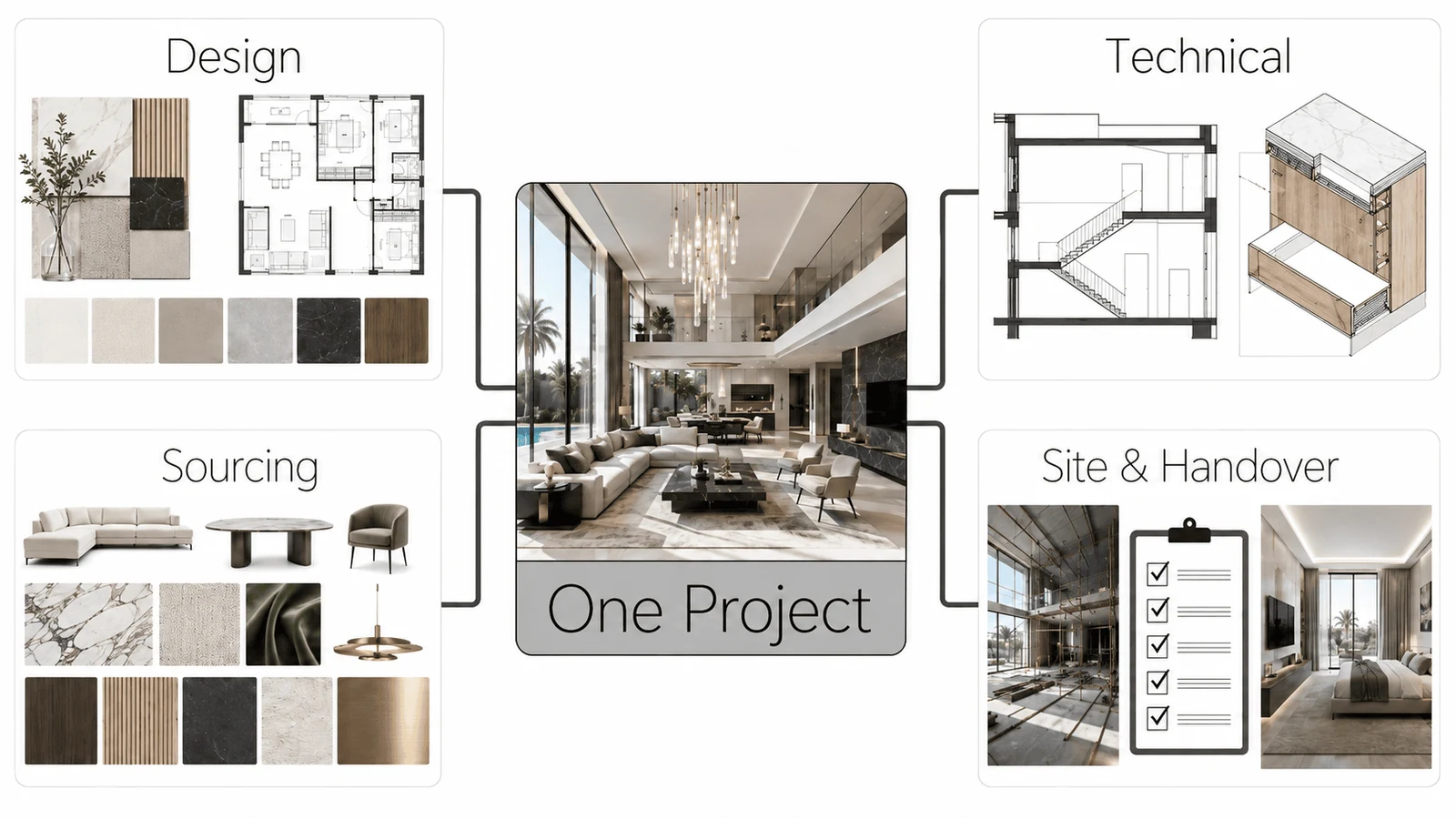
An interior design firm usually has several people working across a project, such as designers, technical designers, project managers, sourcing staff, and site coordinators.
That setup helps when design, drawings, suppliers, and site work need attention together. Some firms stop after design and drawings, while others continue through sourcing, contractor coordination, furnishing, and handover. The firm’s interior design services should make that scope clear.
Once the design is approved, the useful question is who takes responsibility for each stage that follows.
How an Independent Interior Designer Works

An independent interior designer normally works alone or with a smaller network of suppliers and specialists. You often speak directly with the same designer throughout the project, which can make communication more personal.
Some stay involved with suppliers and contractors, while others focus on layouts, finishes, furniture, and drawings. The proposal should show where their role ends.
Interior Designer vs Interior Design Firm at a Glance
Here is the quick comparison before we look at the areas that matter most.
| Factor | Independent Interior Designer | Interior Design Firm |
|---|---|---|
| Team | One designer or small network | Several specialists may work together |
| Communication | Direct designer contact | Usually through a lead designer or manager |
| Project management | Depends on the designer | Often part of a wider service |
| Technical support | May use outside specialists | Can be available within the team |
| Sourcing | Smaller supplier network | Usually broader sourcing support |
| Customisation | Close, personal design input | More support for complex custom work |
| Contractor coordination | Varies by service | Often included on larger projects |
| Cost | May have lower overheads | Higher fees may include more support |
| Large projects | Depends on individual capacity | Usually has more team capacity |
The choice becomes clearer once work moves beyond the concept stage.
Team Size Matters When Several Jobs Overlap
A single-room makeover may not need several specialists. One experienced designer can plan the layout, choose finishes, and source furniture.
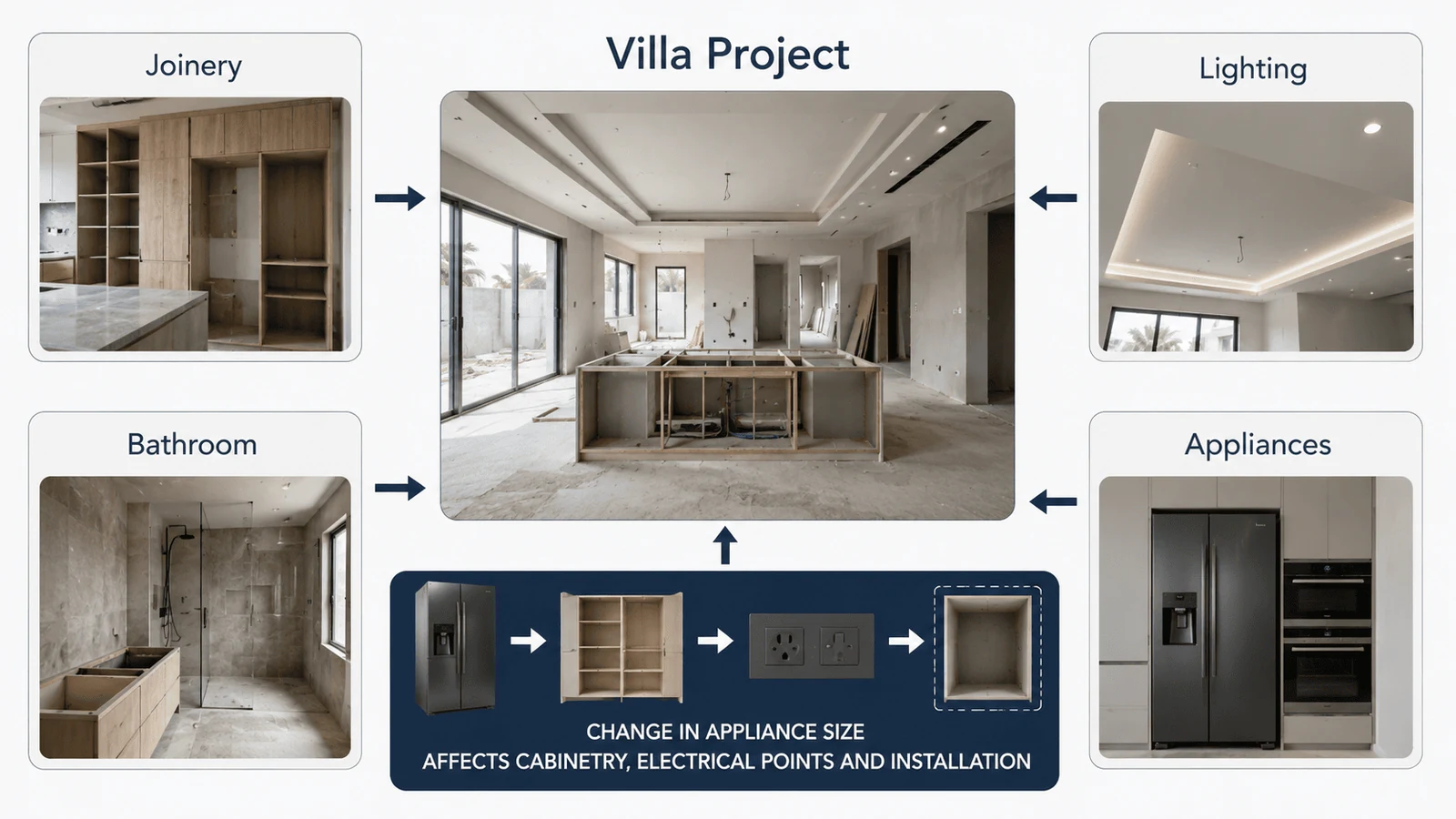
A villa with new joinery, bathrooms, lighting, stonework, and several contractors creates a different workload. Site questions may arrive while suppliers need approvals and drawings still need changes.
A larger team can divide those jobs and catch knock-on problems. For example, changing an appliance size after joinery drawings are approved can affect cabinet dimensions, power points, and installation.
For a larger home, the proposal should name the people responsible for design, drawings, site coordination, and regular updates.
Project Management Can Affect the Whole Experience
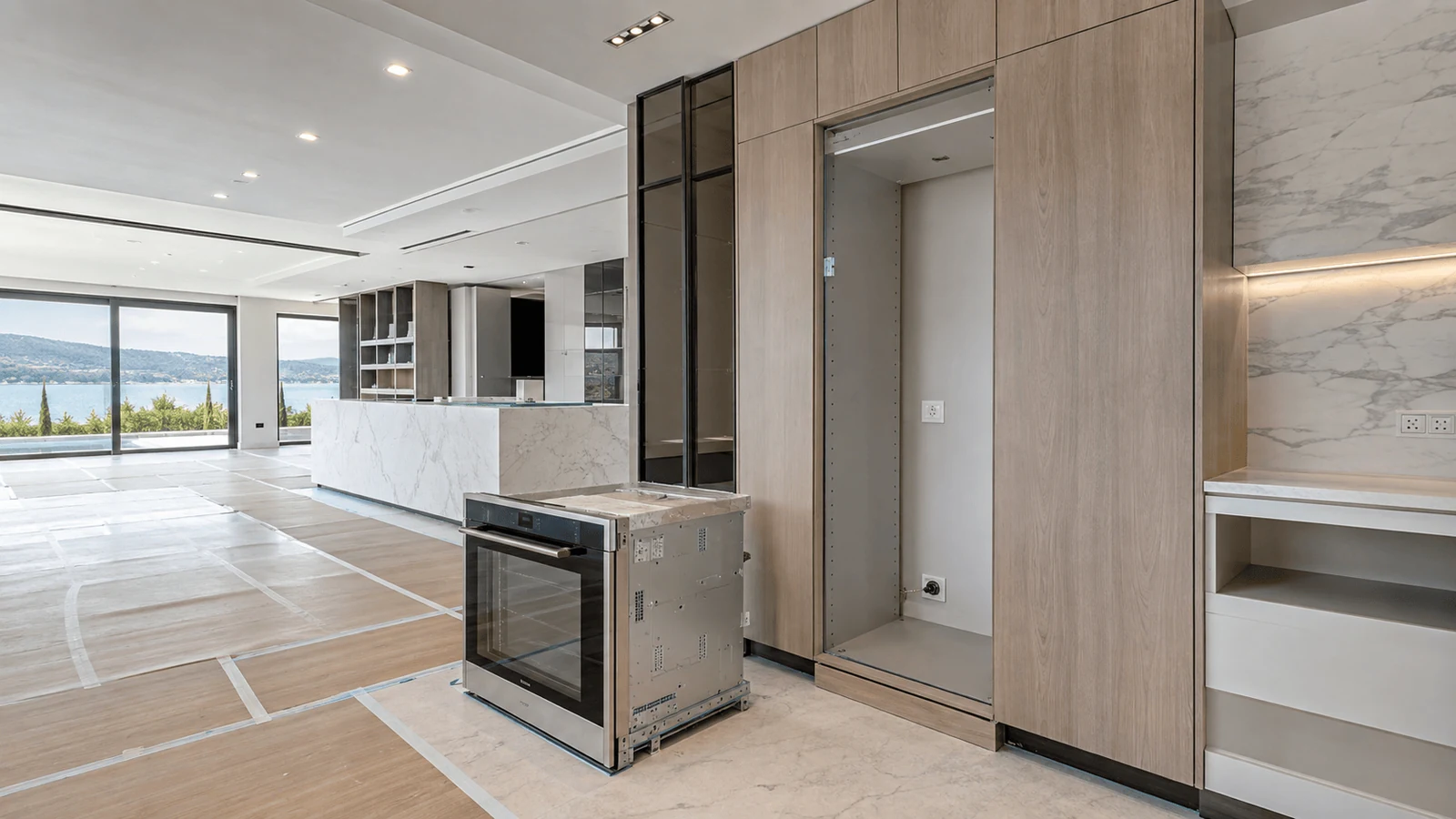
Many interior problems begin after the design has been approved. A supplier may change a delivery date while a contractor needs a drawing and the client is still deciding on another finish.
Andrew S. Chang and Fang-Ying Shen of National Cheng Kung University surveyed and interviewed 26 contractor engineers across seven large projects and found that coordination quality was more closely related to effective coordination than communication quantity.
The study looks at construction projects, but the point also matters in interiors because clients, designers, suppliers, and contractors depend on one another. Your proposal should explain who manages site questions, delays, decisions, and updates.
Customisation Depends on How the Idea Will Be Delivered
An independent designer can create a very personal scheme because one person may stay close to your brief from the first meeting.
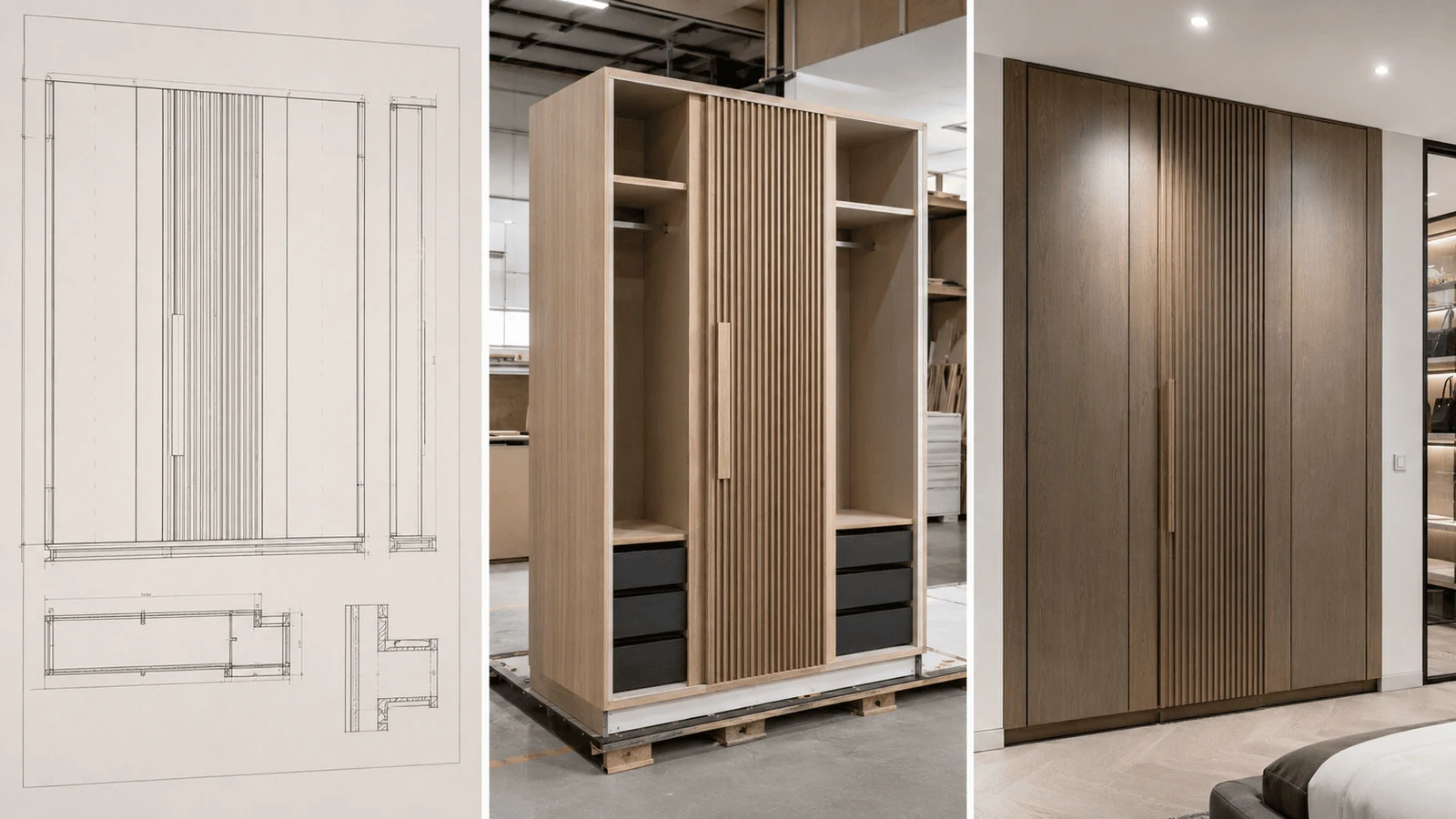
A firm can also create a highly customised home. Its wider team can help when fitted wardrobes, wall panels, custom kitchens, feature ceilings, or made-to-measure furniture need detailed drawings and specialist suppliers.
Custom work needs more than a finish choice. Joinery may require exact dimensions, material specifications, hardware, shop drawings, samples, workshop approval, and installation checks.
When comparing customisation, look beyond concept images and find out how those ideas will be detailed, priced, made, checked, and installed.
Sourcing Takes Work After You Approve the Product
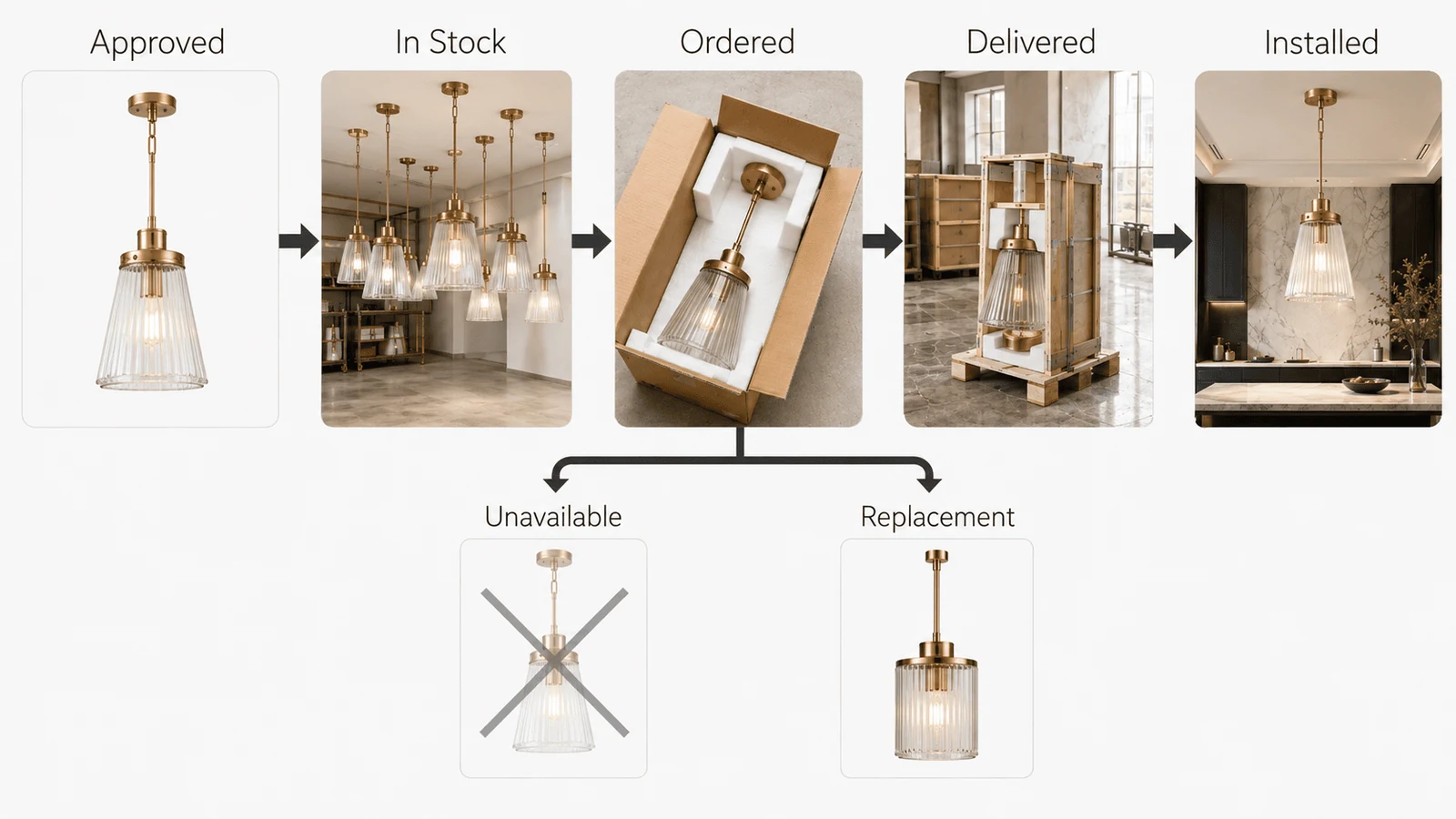
A marble sample, sofa, tap, or light fitting may look perfect during a design meeting, but more work starts after approval. Someone still needs to confirm size, price, lead time, delivery, and installation.
Timing matters too. An imported light may have a long lead time, while custom joinery may depend on site finishes being complete. One late decision can affect several later jobs.
An interior design company may have a sourcing team, while an independent designer may handle follow-ups personally. Responsibility for delays, substitutions, and damaged deliveries should be clear.
Check Both the Portfolio and the Design Approach
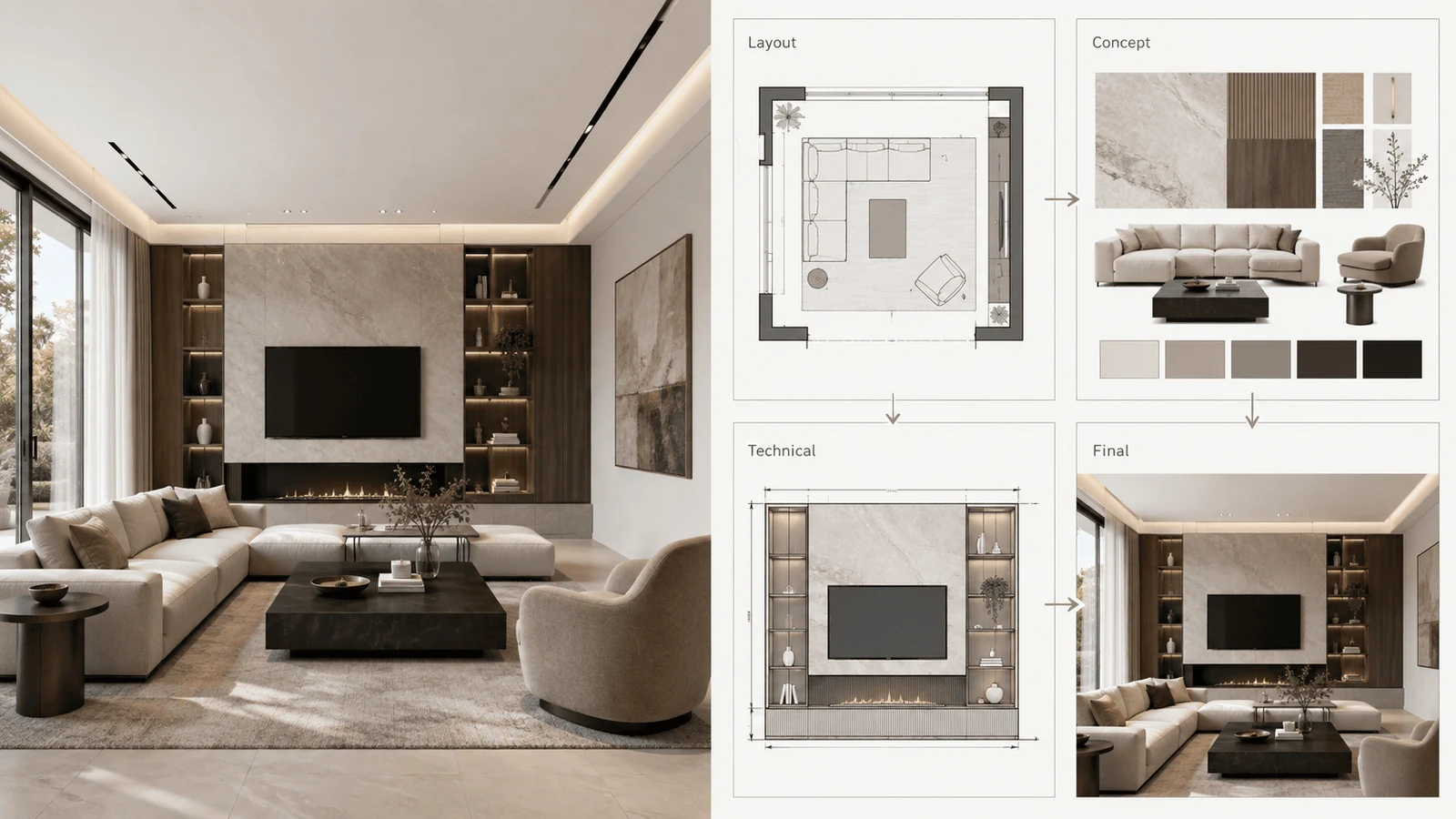
Company size tells you little about actual design quality. Completed work gives you a better way to judge relevant experience, so look through the interior design portfolio for projects close to yours in property type, scale, and finish level.
Then look at how the designer reaches the result. A clear process should cover the brief, layouts, materials, revisions, technical drawings, and support after approval.
If you are still deciding on a visual direction, this guide to luxury interior design styles can help you compare styles before the design process starts.
Compare the Budget With the Work Included
An independent designer may have lower business costs, while a firm may charge more because the fee includes drawings, sourcing, project management, or site visits.
Interior proposals can look easy to compare until you check what each total includes. A lower quote may leave several jobs outside the scope.
Compare revisions, drawings, site visits, sourcing, contractor coordination, styling, handover, and extra charges. The lowest figure makes sense when the missing services are jobs you are comfortable managing yourself.
Dubai Timelines Can Depend on Approvals Too
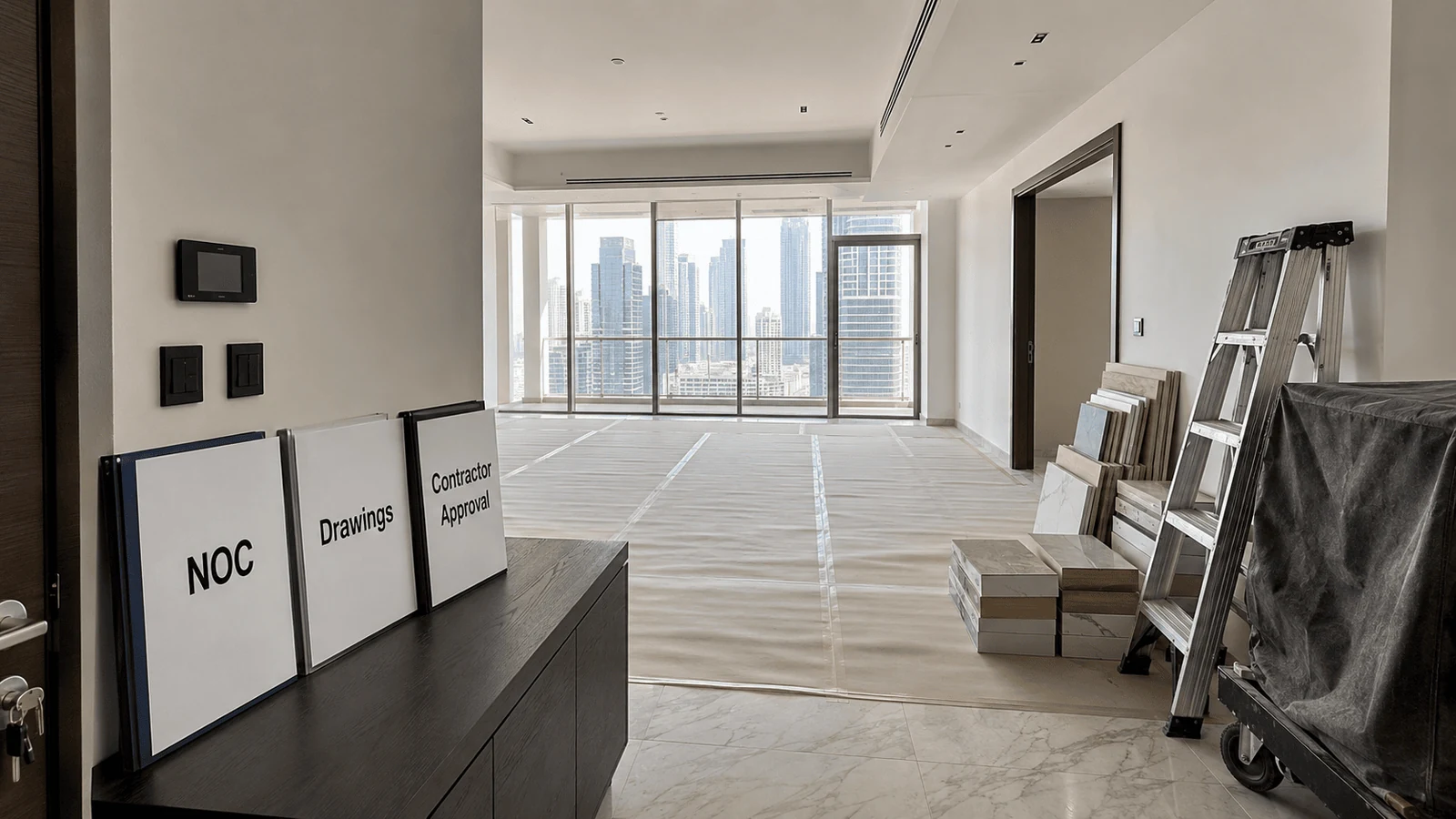
Interior timelines depend on drawings, approvals, materials, contractors, and deliveries. In Dubai, a homeowner may approve the layout and appoint a contractor, then discover that work still needs NOCs or approved drawings.
For applicable fit-out work, the Dubai Development Authority lists requirements that can include a contractor appointment letter, building owner NOC, relevant authority NOCs, and approved and proposed drawings.
Someone needs to confirm the requirements, prepare the documents, and follow the approval process before site work begins. The approval burden also shifts sharply depending on the type of property, which we set out in this comparison of commercial vs residential interior design firms.
When an Independent Designer Can Be Enough
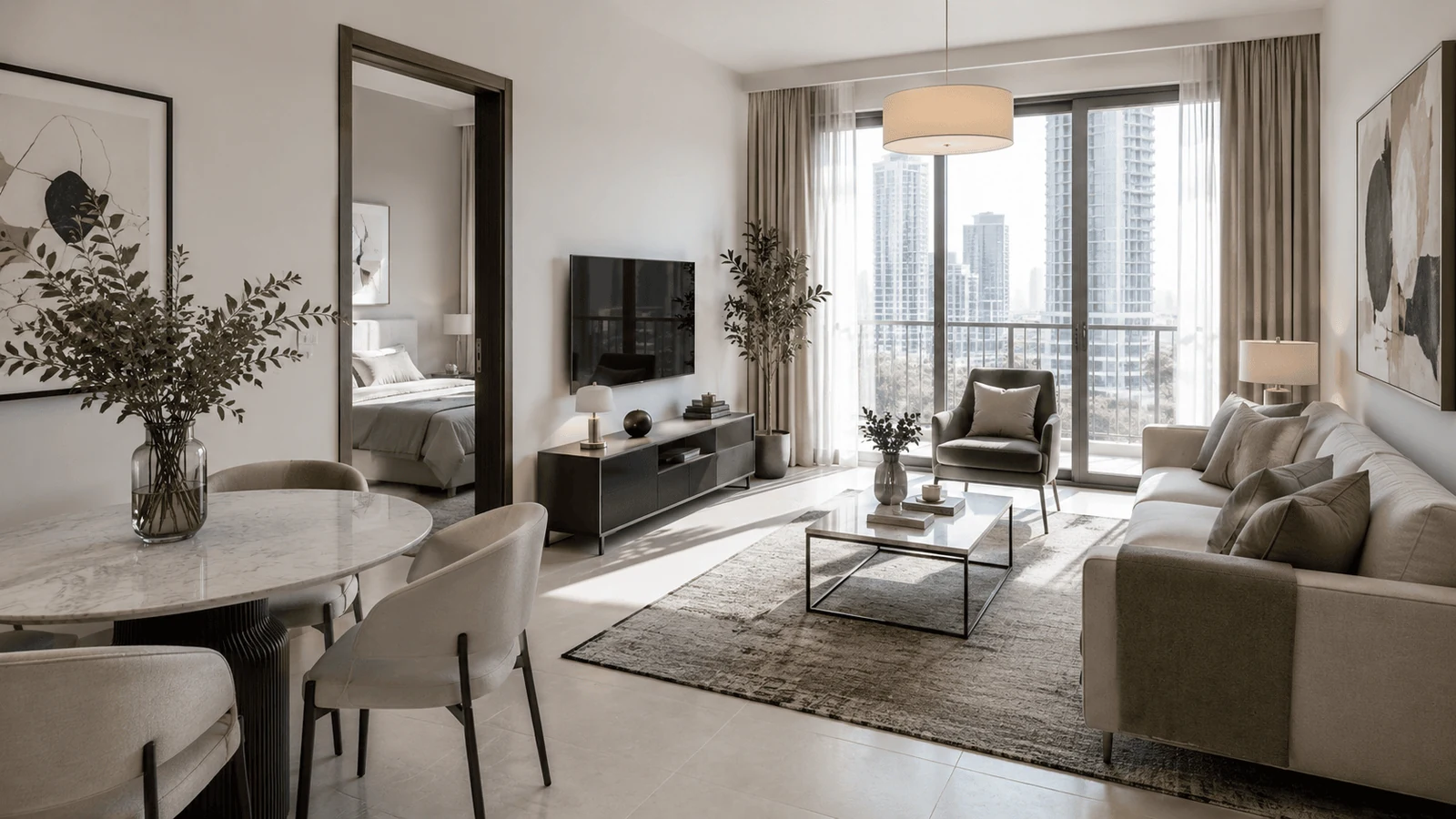
An independent designer can suit one or two rooms, furniture and styling, space planning, finish selection, or a straightforward apartment.
It can also work well if you want to stay closely involved and are comfortable speaking with suppliers, following deliveries, visiting the property, or dealing directly with the contractor.
In that case, a wider management structure may give you services you do not need. Still, confirm the designer’s workload and site support before you appoint them.
When an Interior Design Firm Makes More Sense
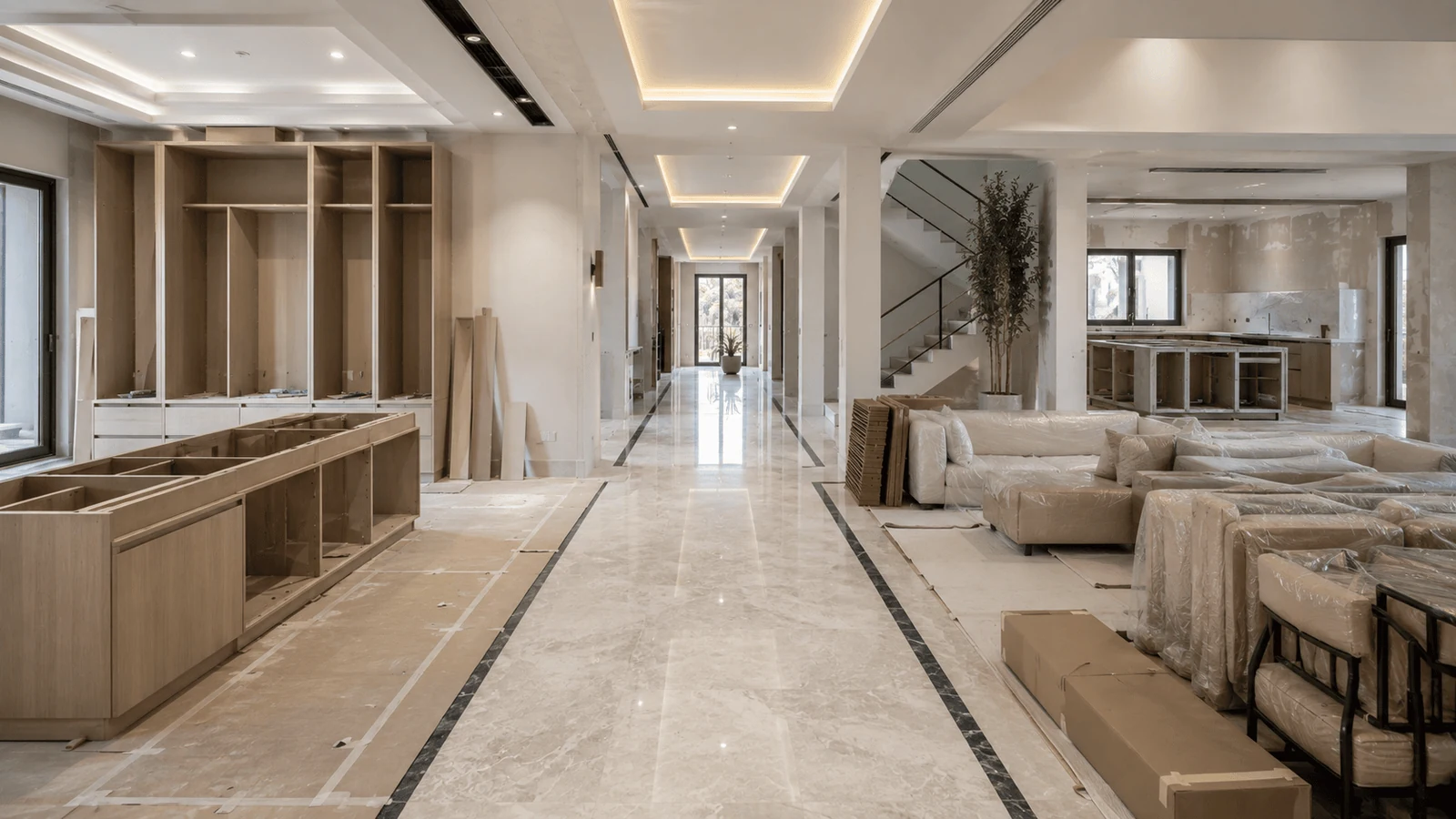
A firm often becomes more useful for a complete villa, penthouse, luxury apartment renovation, or home with extensive custom joinery. Several suppliers, contractors, drawings, purchases, and site decisions may need attention together.
This matters even more if you live outside Dubai or cannot visit regularly. Review the firm’s working approach and team structure as well as its finished work.
A firm such as Euphoria Interiors may also combine design, furnishing, sourcing, project management, and turnkey work when a project needs that wider support.
Where a Design and Build Firm Fits In
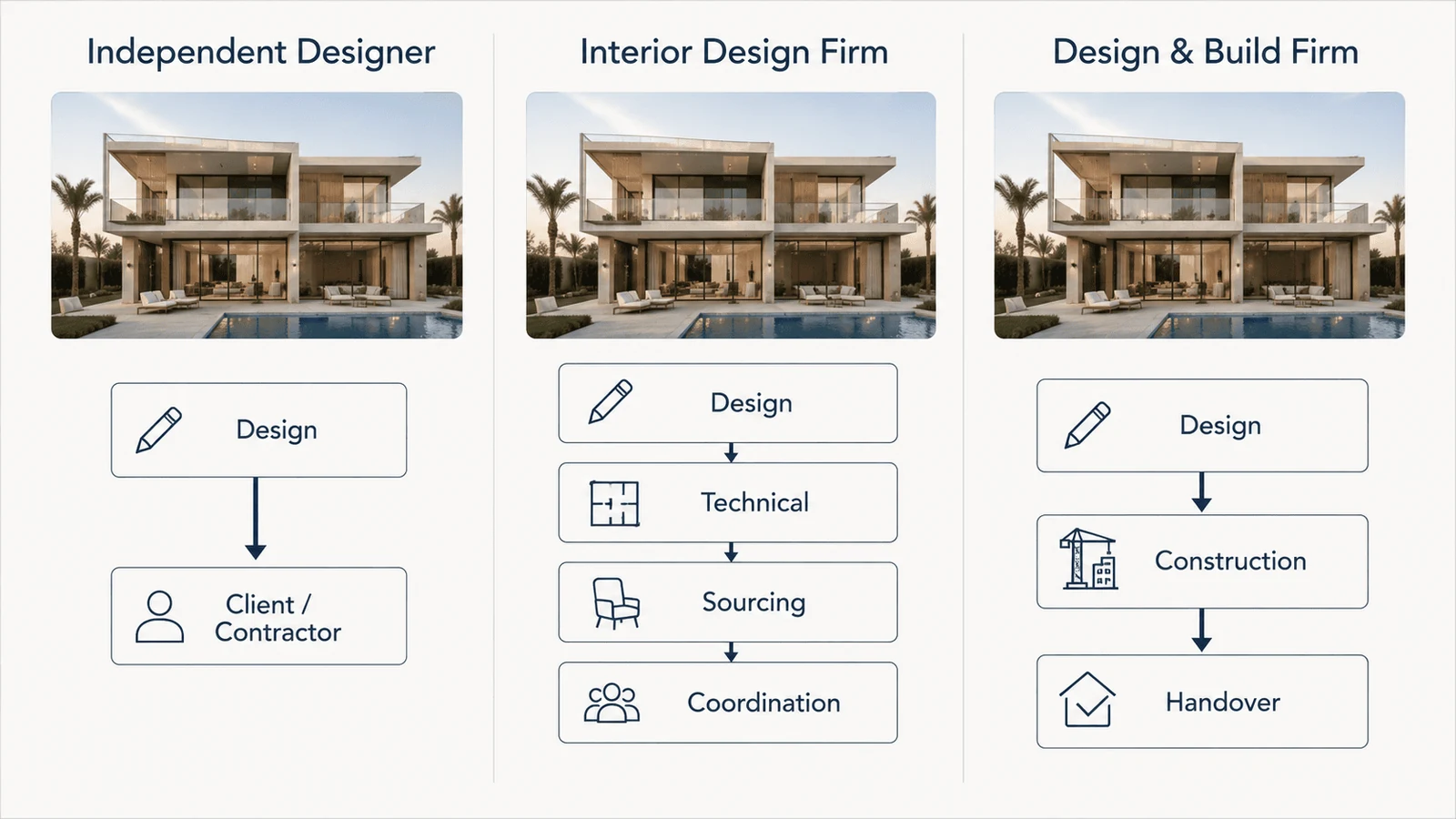
A design and build firm gives you another way to organise the project. It usually handles design and construction or fit-out within the same business or closely connected team.
An interior design firm may develop the design and work with an outside contractor, although some firms offer both services. If you compare an interior design firm with a design and build firm, check who prepares the design, prices construction, appoints suppliers, handles changes, and takes responsibility on site.
The Right Choice Can Change With the Property
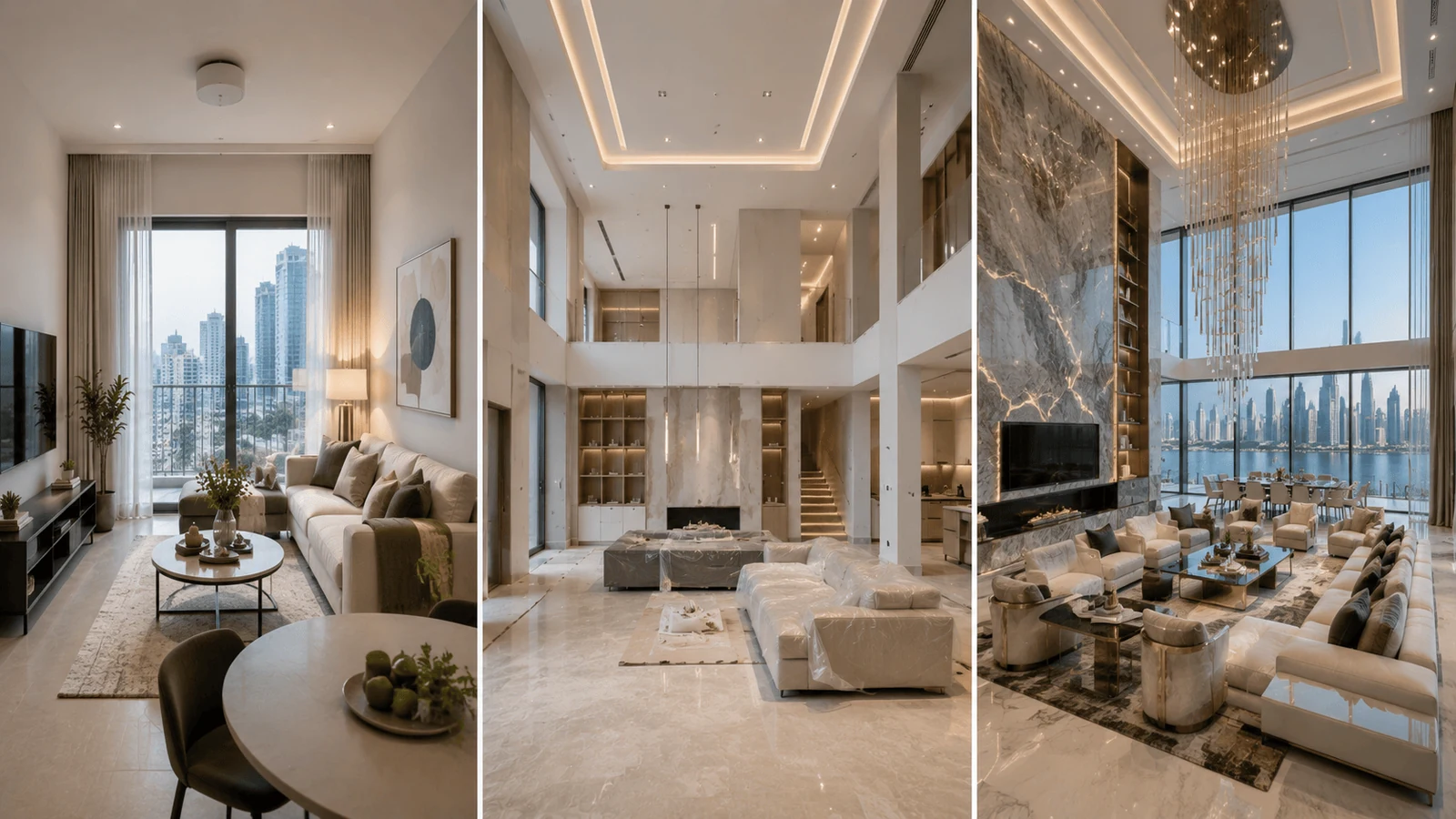
The amount of support you need often changes with the size of the home and the work planned.
Apartments
An apartment with a good layout may only need furniture, lighting, curtains, or styling. Kitchens, bathrooms, ceilings, services, and large amounts of custom joinery usually need more technical and site support.
Villas
Villas bring more rooms, suppliers, and custom work, so previous villa experience, technical drawings, sourcing capacity, and site coordination matter more.
Luxury Residential Projects
Luxury projects may involve custom-made furniture, specialist finishes, detailed joinery, imported products, and complex lighting. Confirm who stays involved through drawings, orders, installation, and final checks.
How to Choose the Best Interior Design Firm for Your Project
Searching for the best interior design firm or a top interior design firm in Dubai brings up rankings, awards, ads, and attractive photos. Use them to build a shortlist, then look deeper.
- Find similar completed projects. Look for homes close to yours in size and scope.
- Review the design process. It should cover briefing, layouts, materials, revisions, technical drawings, and site support.
- Meet the people doing the work. Try to meet the lead designer or project manager, not only the sales team.
- Compare the full scope. Check drawings, sourcing, site visits, contractor coordination, furnishing, and handover.
- Understand extra costs. Know what sits outside the design fee and how changes will be recorded.
- Know how communication works. Your main contact, update process, and approvals should be clear.
- Check who owns each responsibility. Design approval, ordering, contractor questions, site checks, changes, and handover should all have a clear owner.
This guide to top interior design firms in Dubai can help you compare companies beyond their first presentation. You can also review Interior Design Firm AE before requesting a proposal.
Choose the Level of Support Your Project Needs
The choice between an independent designer and a firm becomes easier once you look at the work your project will create.
Think about how much is changing, how many suppliers are involved, and how often you can visit the site. Drawings, approvals, contractor management, and a fixed handover date can increase the support you need.
An independent designer can work well for a smaller project with a clear scope and an involved client. A firm can be more practical when design, sourcing, technical work, and site coordination need to move together.
If your project needs that wider support, speak with the interior design team about the property, budget, timeline, and expected scope.
FAQs
Is an interior design firm more expensive than an independent designer?
It can be because a firm may include more staff and project support. Compare the services inside each proposal before deciding which gives you better value.
Can an independent interior designer handle a villa?
Yes. Some experienced independent designers manage large homes well, but their technical support, workload, sourcing process, and site involvement should match your project.
What is the difference between an interior design company and an independent designer?
An interior design company usually works through a wider team, while an independent designer often gives you more direct contact with one person.
Should I choose an interior design firm or a design and build firm?
A design and build firm usually combines design with construction or fit-out work. An interior design firm may work with an outside contractor, although some firms provide both.
What should I ask an interior design firm before hiring?
Find out who will work on the project, what the proposal includes, how extra costs are handled, who coordinates contractors, and how progress updates will be shared.
